
Creating a productive home office environment is essential for anyone working remotely or running a business from home. A well-designed workspace can help you stay focused, minimise distractions, and improve overall work satisfaction. Whether you have a dedicated room or just a small corner, with the right approach, you can turn your space into a productive haven. Here are essential tips to help you create a home office environment that works for you.
1. Choose the Right Location
Finding the perfect spot for your home office is the first step. Ideally, you want a quiet area away from loud appliances and household traffic.
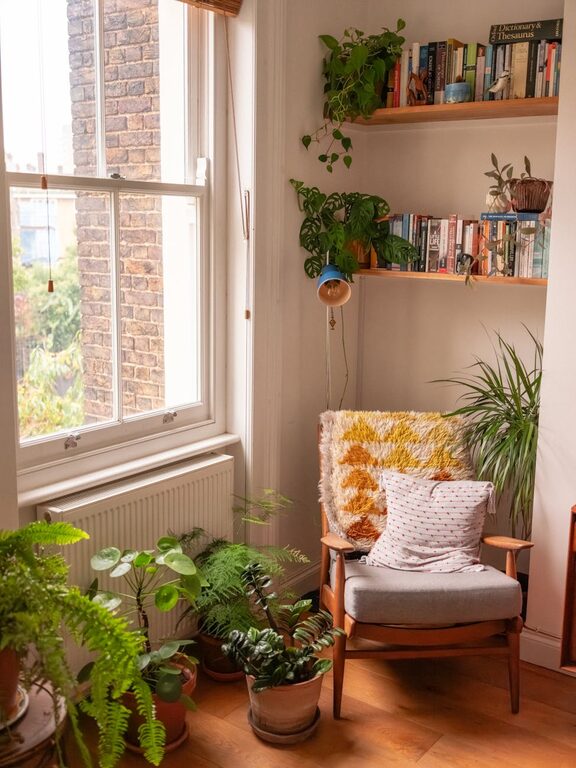
– Natural Light: Try to position your desk near a window to benefit from daylight, which improves mood and reduces eye strain.
– Privacy: Consider a place where you can close a door or separate your space from the rest of the house to minimise interruptions.
– Space for Movement: Ensure there’s enough room to move comfortably, especially if you need to stretch or use additional equipment.
2. Invest in Ergonomic Furniture
Comfort is key when spending long hours at a desk. Ergonomic furniture helps prevent aches, strains, and fatigue.
– Chair: Choose an adjustable chair with good lumbar support and cushioning.
– Desk: Opt for a desk that fits your needs—consider a standing desk or one with adjustable height to alternate positions.
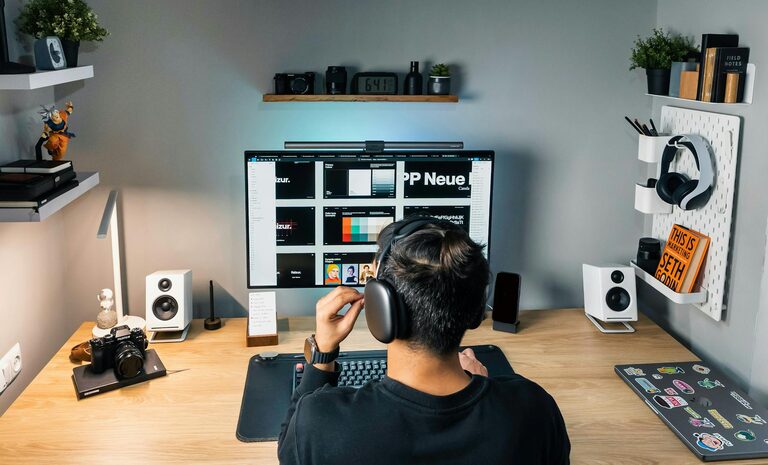
– Monitor Placement: Position your monitor at eye level, about an arm’s length away, to reduce neck strain.
3. Organise Your Workspace Efficiently
A tidy and organised environment helps you focus better and saves time.
– Declutter Regularly: Keep only essentials on your desk and file away documents promptly.
– Storage Solutions: Use shelves, drawers, and organisers to keep supplies within easy reach but out of the way.
– Cable Management: Use clips or ties to prevent cables from tangling and creating a mess.
4. Optimise Lighting
Good lighting supports productivity and prevents tired eyes.
– Avoid Glare: Arrange lighting to avoid screen glare—natural light is ideal, but if unavailable, choose a desk lamp with adjustable brightness.
– Even Lighting: Combine ambient lighting with task lighting to keep your workspace well-lit throughout the day.
– Colour Temperature: Cooler light (around 5000K) is better for focus, while warmer light (2700K to 3000K) creates a relaxing atmosphere.
5. Minimise Distractions
To maintain concentration, it’s important to reduce interruptions at home.
– Set Boundaries: Inform family members or housemates when you’re working and establish quiet times.
– Noise Control: Use noise-cancelling headphones or play soft background music if unwanted noise is an issue.
– Phone and Notifications: Turn off non-essential notifications or silence your phone during work hours.
6. Personalise Your Space
Adding personal touches can improve your mood and make your workspace inviting.
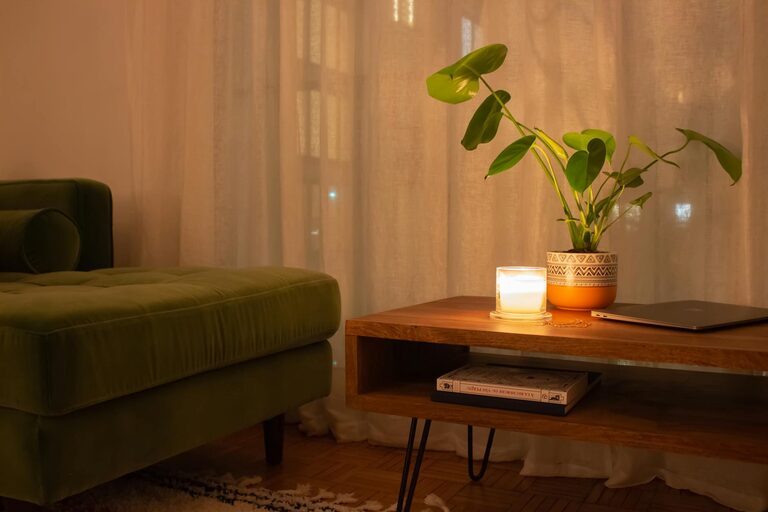
– Plants: Incorporate greenery for a fresh, calming atmosphere.
– Artwork and Photos: Choose positive images or inspirational quotes to motivate you.
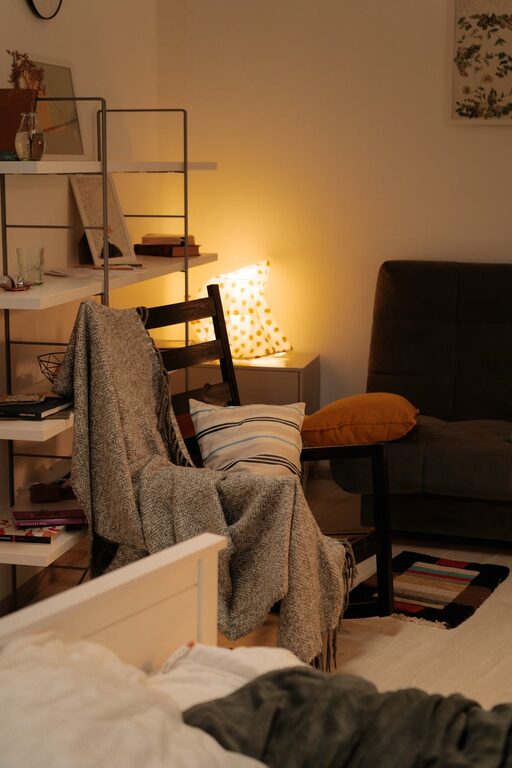
– Comfort Items: A comfortable wrist rest, footstool, or favourite mug can add a pleasant touch.
7. Plan Your Workflow
Organising your day can enhance productivity.
– Task Lists: Keep a daily to-do list to prioritise tasks and track progress.
– Breaks: Schedule regular short breaks to refresh your mind, stretch, and prevent fatigue.
– Time Management: Use techniques like the Pomodoro method (25 minutes work, 5 minutes break) to maintain focus.
8. Use Technology Wisely
The right technology can simplify your work and improve communication.
– Reliable Internet: Invest in a high-speed connection to avoid interruptions.
– Software Tools: Use productivity apps, calendar tools, and cloud storage to stay organised.
– Backup Power: Consider an uninterruptible power supply (UPS) if your area experiences frequent power outages.
9. Keep Your Workspace Clean
A clean environment promotes good health and clarity.
– Regular Cleaning: Wipe down surfaces daily, vacuum or sweep the area regularly.
– Air Quality: Use an air purifier or open windows to keep fresh air circulating.
– Sanitisation: Especially important if you share your space, keep hand sanitiser nearby.
Conclusion
Creating a productive home office environment is about blending comfort, organisation, and personalisation. By choosing the right location, investing in ergonomic furniture, organising your space, and managing distractions, you set the stage for efficient and enjoyable workdays. Remember, small changes can make a big difference, so start with one or two improvements and build from there. Your home office should be a place where you can focus, create, and thrive.
About the Author