Creating a productive home office space is essential for anyone working remotely or running a business from home. A well-designed workspace can improve focus, reduce stress, and enhance overall work performance. Whether you have a dedicated room or a small corner, following some simple tips can help you transform any space into a productive office.
Choose the Right Location
Finding the ideal spot for your home office is the first step. Ideally, choose a quiet area away from high-traffic zones in your home to minimise interruptions.
– Natural Light: Pick a place with plenty of natural light, as it can boost mood and energy levels.
– Privacy: Ensure the area allows for privacy during work calls or video meetings.
– Space: Make sure there is enough room for your desk, chair, and any equipment you need.
If space is limited, consider multi-use areas that can be tidied easily or using room dividers to create a designated zone.
Invest in Ergonomic Furniture
Comfort is key to maintaining productivity throughout the day. Ergonomic furniture supports good posture and reduces the risk of discomfort or injury.
– Chair: Select an adjustable chair with lumbar support to promote proper back alignment.
– Desk: Choose a desk at the right height so your arms rest comfortably when typing.
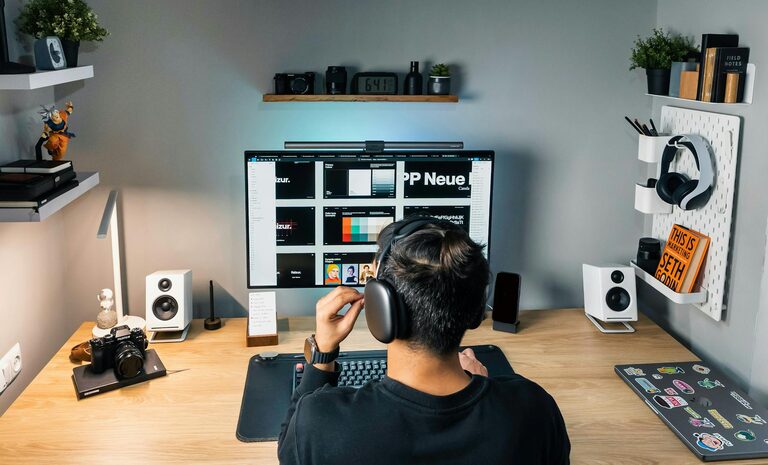
– Monitor: Position your computer screen at eye level to avoid neck strain.
Standing desks or desks with adjustable height options can offer flexibility to alternate between sitting and standing.
Keep Your Workspace Organised
A clutter-free workspace helps keep your mind clear and improves focus.
– Storage Solutions: Use shelves, filing cabinets, or desk organisers to keep documents and supplies tidy.
– Cable Management: Use clips or cable boxes to prevent cords from tangling.
– Minimalism: Only keep essential items on your desk to reduce distractions.
Regularly declutter your office to maintain a clean and orderly environment.
Personalise Your Space Mindfully
Adding personal touches can make your workspace more inviting, but it’s important to strike a balance so it doesn’t become distracting.
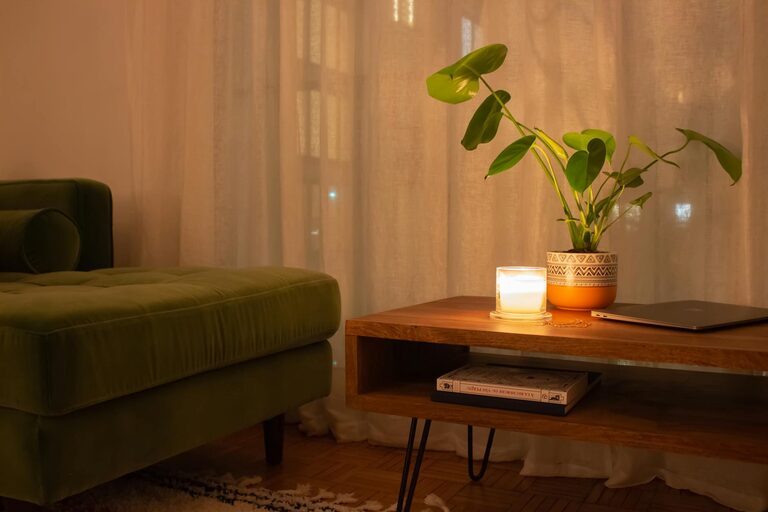
– Plants: Small indoor plants can improve air quality and add a touch of nature.
– Artwork: Choose calming images or motivational quotes to inspire you.
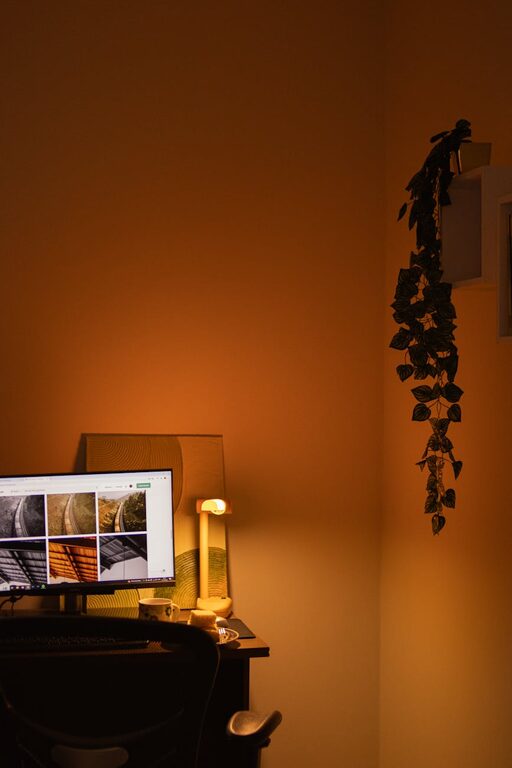
– Lighting: Use desk lamps with adjustable brightness for focused tasks.
Avoid overly noisy or visually busy décor that might divert your attention.
Optimise Lighting for Comfort and Efficiency
Proper lighting reduces eye strain and helps maintain alertness.
– Natural Light: Position your desk near a window to benefit from daylight, but avoid glare on your screen.
– Ambient Light: Use overhead lighting to illuminate the entire room evenly.
– Task Lighting: Add a focused desk lamp for reading or detailed work.
Consider bulbs with adjustable brightness and colour temperature to suit different times of day.
Minimise Distractions
Maintaining focus at home can be challenging with family members, pets, or household noises.
– Set Boundaries: Communicate your work hours and space to others in your home.
– Noise Control: Use noise-cancelling headphones or play background music to drown out distractions.
– Dedicated Work Hours: Establish a consistent routine to signal when it’s work time.
Creating a clear separation between work and relaxation helps you stay concentrated.
Use Technology Wisely
Make use of technology to enhance your work and reduce frustration.
– Reliable Internet: Ensure a strong internet connection for smooth video calls and fast downloads.
– Productivity Tools: Use apps for task management, scheduling, and note-taking.
– Backup: Regularly back up important files to avoid loss of data.
Keep your software updated and learn shortcuts to save time.
Incorporate Movement Breaks
Sitting for long periods can negatively affect health and productivity.
– Stretch Breaks: Take short breaks every hour to stand, stretch, or walk around.
– Exercise: Incorporate light exercise or yoga to refresh your body.
– Alternate Seating: Use a balance ball chair or standing desk to vary posture.
Physical movement helps reduce fatigue and increases mental clarity.
Maintain a Consistent Routine
Structure your workday as if you’re in a traditional office.
– Start and Finish Times: Set clear work hours to avoid overworking.
– Morning Ritual: Begin with tasks such as reviewing your agenda or planning the day.
– End of Day: Tidy your workspace and create an end-of-day routine to signal work is done.
Consistency builds habits that make remote work more effective.
Final Thoughts
Creating a productive home office is about balancing comfort, organisation, and functionality. With thoughtful planning and small adjustments, you can develop a workspace that supports your workflow and wellbeing. Remember, the key is to make the space work for you, so don’t hesitate to personalise it as your needs evolve.
About the Author