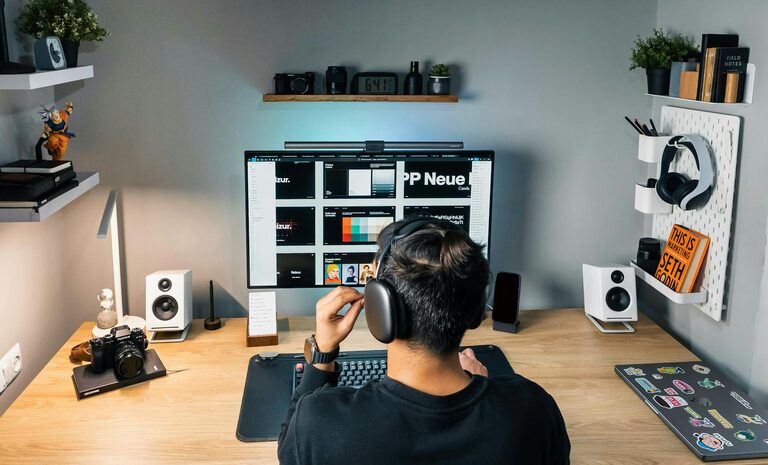
Creating a productive home workspace is essential for staying focused and comfortable, especially as more people adopt remote or hybrid working styles. A well-designed workspace can help you separate work from home life, reduce distractions, and boost motivation. Whether you have a dedicated room or just a corner in your living space, these tips will help you create an environment that supports your productivity and wellbeing.
Choose the Right Location
The first step in setting up your home workspace is selecting the best spot. Ideally, pick a quiet area away from household traffic. Avoid places like the kitchen or bedroom if possible, as these can blur the boundaries between work and personal time.
Consider natural light
Natural light can improve your mood and energy levels. Position your desk near a window if you can. However, be mindful of glare on screens and balance it with blinds or curtains.
Invest in Ergonomic Furniture
Comfort is key when working for extended periods. Ergonomic furniture supports good posture and minimises strain.
Office chair
Choose an adjustable chair with good lumbar support. Your feet should rest flat on the floor, and your knees should be at a 90-degree angle.
Desk height
Your desk should allow your arms to rest comfortably with elbows at about 90 degrees when typing or writing. Adjustable desks can be a great option if you like to switch between sitting and standing.
Declutter and Organise Your Space
A tidy workspace helps reduce stress and distractions.
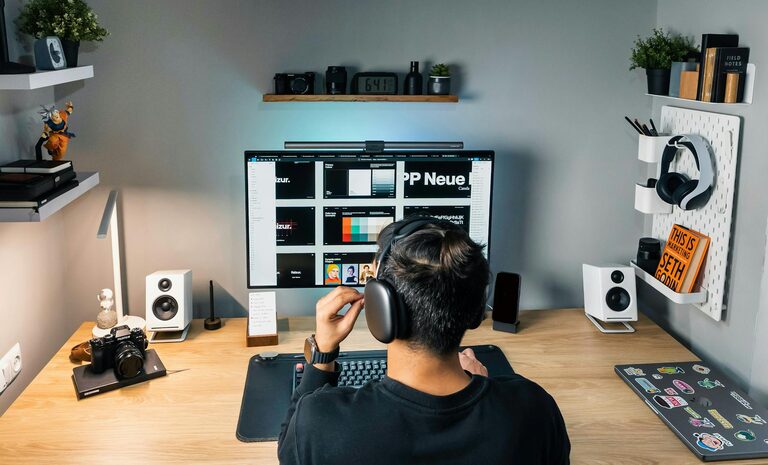
– Use storage solutions like shelves, drawers, or organisers to keep supplies neat.
– Keep only essential items on your desk to maintain a clean surface.
– Use cable management tools to avoid messy wires.
Personalise Without Overdoing It
Adding a few personal touches can make your workspace more inviting and motivating.
– A plant can improve air quality and add a calming natural element.
– Motivational quotes or artwork may inspire you.
– Choose colours that you find soothing or energising, but avoid overstimulation.
Lighting Matters
Besides natural light, ensure you have adequate artificial lighting for darker hours.
– Use adjustable desk lamps to reduce eye strain.
– Avoid harsh overhead lighting or overly dim spaces.
Minimise Distractions
A productive workspace should be free from interruptions as much as possible.
– Use noise-cancelling headphones if you live in a noisy environment.
– Inform family or housemates of your work schedule to reduce disruptions.
– Turn off notifications on non-work devices during focus periods.
Incorporate Break-Friendly Features
Your workspace should encourage healthy breaks.
– Keep a water bottle nearby to stay hydrated.
– Set up a spot for short stretching or relaxation exercises.
– Consider a timer or app to remind you to take regular breaks.
Manage Technology Efficiently
Ensure your devices support your work without causing distraction.
– Have a reliable computer and internet connection.
– Use dual monitors if your work requires multitasking.
– Keep software and apps organised to streamline workflow.
Set Clear Boundaries
To maintain productivity, clearly define your work hours and space.
– Avoid working from your bed or sofa to separate rest and work zones.
– Make a routine that signals the start and end of your workday.
– Use physical barriers like screens if necessary to mentally switch into work mode.
Regularly Refresh Your Workspace
Keep your workspace inviting by updating it occasionally.
– Clean your desk weekly.
– Rotate stationery or decor to maintain interest.
– Adjust lighting and seating if you notice discomfort.
—
Creating a home workspace that boosts both focus and comfort takes some planning but pays off with improved productivity and wellbeing. By thoughtfully choosing your location, investing in ergonomic furniture, minimising distractions, and personalising your space just enough, you can build a productive environment tailored to your needs. Remember to listen to your body and mind, making adjustments as needed to keep your workspace a place you enjoy spending your working hours.
About the Author